Water Bore Improvement Specialists
Restoring or increasing water flow from old or new bores, using environmentally sensitive methods without the need for rig intervention.
Old bores which have declined over the years can be rejuvenated, or disappointing new bores may be enhanced to achieved the desired water productivity.
Over time, wellbores can decline for a variety of reasons e.g. clogged screens/slotted liners, mineral deposition, microbial action (iron bacteria and SRBs) and sediment build-up. By cleaning out the wellbore and flushing the naturally occurring fractures which feed water to the bore, productivity can be restored or improved without the need for chemicals or rig intervention.
Services we provide
We offer a range of wellbore services as part of our wellbore treatment servicess.
Productivity Testing
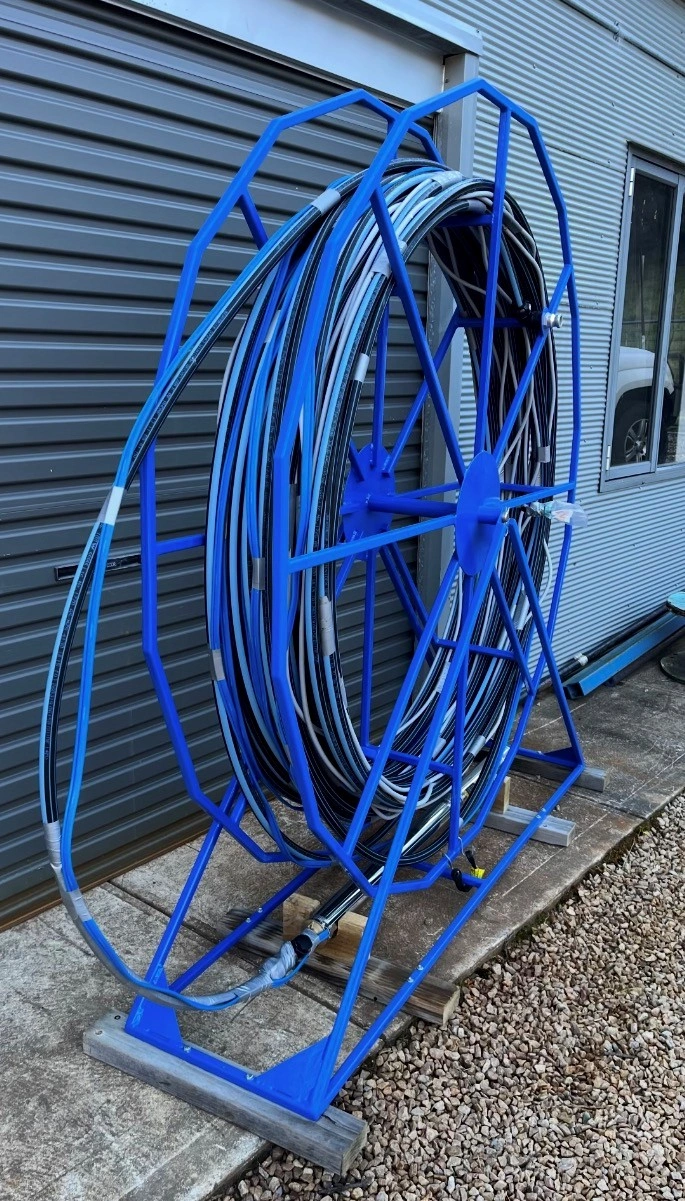
We have a sonic water level meter, electrical submersible pump and hose reel which can be used to confirm productivity before and after treatment. This allows productivity improvement to be quantified and allows the bore water to be used for treatments, thus avoiding introducing outside bacteria to the bore or potential minerology compatibility issues.
Wellbore Cleanout
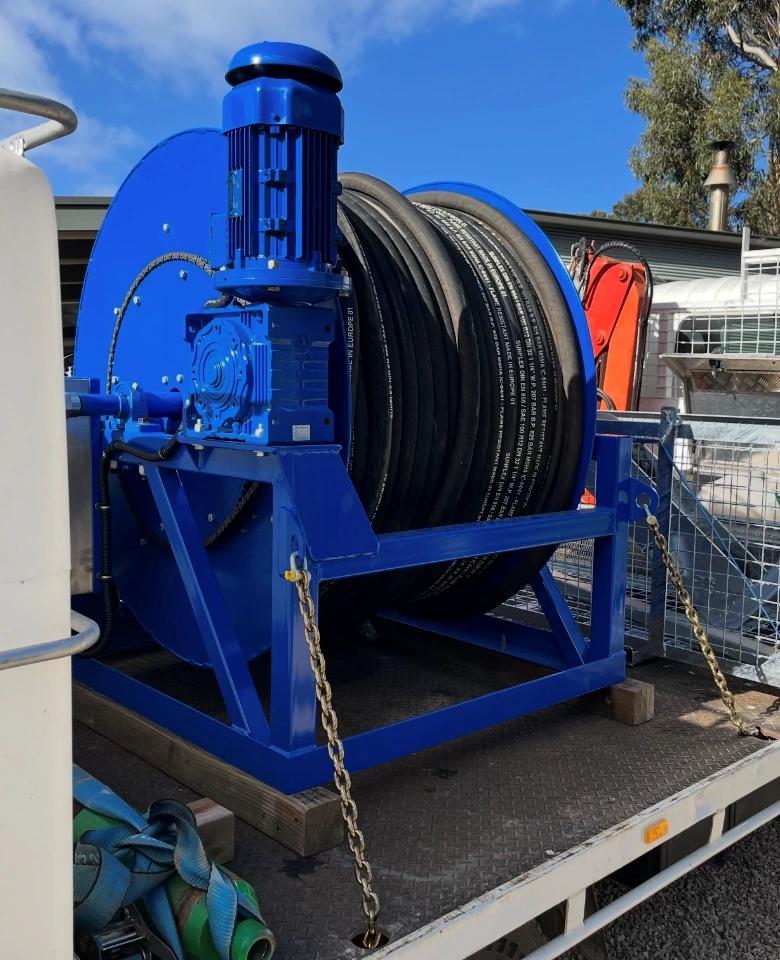
An electrically driven reel equipped with 100+m of 1-1/4" hydraulic hose (can be extended to 150m of 1-1/4" and 1" hose if required) and a diesel engine powered Kerr 3250 triplex plunger pump allows wellbore jetting/cleanout.
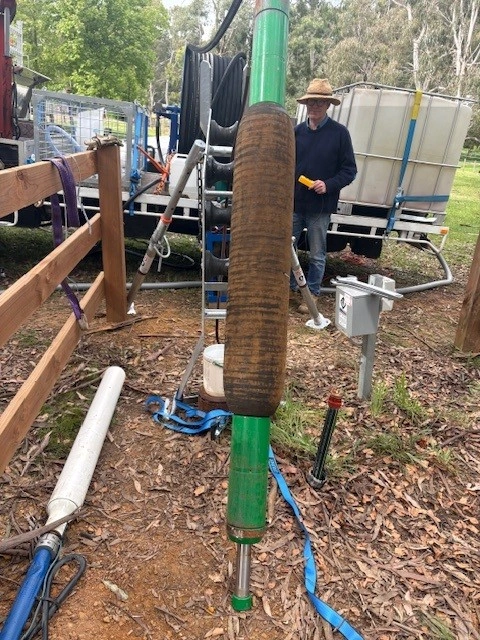
Formation Injectivity Treatment
By utilising a hydraulically activated packer to provide a seal against the rock within the wellbore, water can be injected into the formations flushing sediment, sand, mineral deposits or material resulting from microbial action, out of the naturally occurring fractures which provide the conduit for water flow into the wellbore. This can restore or enhance bore productivity.
Equipment Mobilisation and Setup
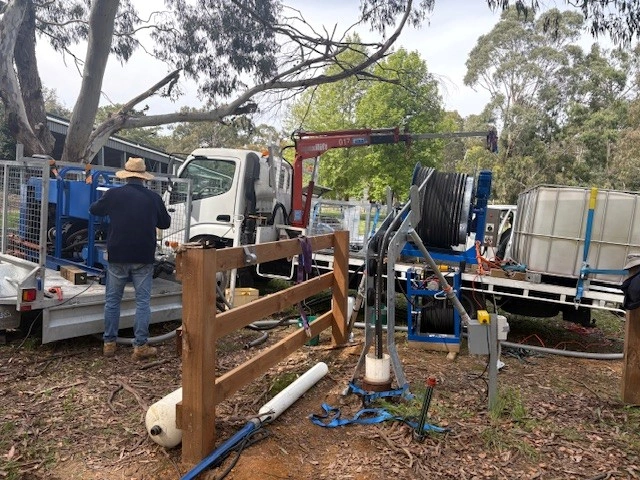
All equipment and water storage comes on a small flatbed truck and car trailer. This allows for quick and efficient set-up with a small but flexible foot-print.
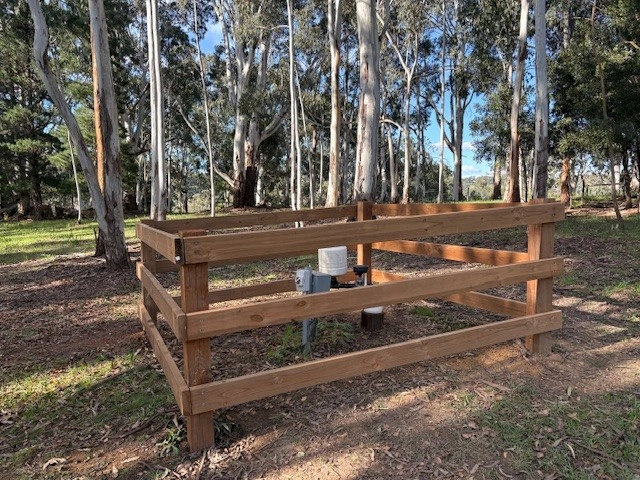
Professional and Environmentally Responsible Service
As an owner operated small business who live and work in the community they service, you can expect a professional and responsible service which will have minimal impact on the environment.
From our customers
Although Better Bores is a start-up company, utilising equipment and techniques proven to enhance water bore productivity in Europe and North America, it is not known to be used anywhere else in Australia. Proof of concept has been demonstrated on an old bore near Mylor which saw a 10-fold improvement and in a new bore near Stirling. Both owners were happy with the results.
Contact Us
Commonly asked questions
As a novel process in Australia, potential clients usually have a lot of questions. Below are some of the most common ones.
Depending on what's required, clean-out can be achieved down to ~75mm to accommodate the hose and connects while leaving enough room for flow up the bore. For wellbore stimulation, we are currently limited by how much the packer can inflate with 150-210mm diameter range.
For stimulation, no. The packer cannot be set inside the liner as pressure will be lost via flow up the outside of the liner. The packer must be set adjacent to rock with the target formation(s) below.
Typically the only chemical used to treat injected water is swimming pool chlorine at low concentrations. This is required to kill potential bugs which may potentially be introduced into the formation.
Food grade guar gum (a natural viscosifier) may be used to assist during wellbore clean-out if significant quantities of large fill are encountered and the pump rate is insufficient to lift them out of the hole.
Food grade oil is used to energise the packer but this is a closed system which shouldn't contact the water.
No. Fracture stimulation techniques used in the oil and gas industry require thousands of hydraulic horsepower, thousands of psi and hundreds of tons of proppant to hold the fractures open. Fracking takes place thousands of meters below ground level and fractures can extend for hundreds of meters laterally.
Out technique is only intended to flush the pre-existing fractures in the rock formation near the bore to provide a clear flow-path for groundwater to be produced. A typical treatment may be ~1000L at a few hundred psi.
No, we can provide an electrical submersible pump (ESP) and hose for testing pre- and post-treatment.
If the bore is already equipped, we will use the existing pump for the production testing.
If a replacement pump is required, we can arrange this.